
GFCI Fundamentals: A Primer on Ground Fault Circuit Interrupters
In this guide, you’ll learn about ground fault circuit interrupters (GFCIs) and how using them well helps protect your crew and your equipment.
Ground fault circuit interrupters are complex devices that save lives and protect equipment every day in tough work environments. Whether it’s caused by water or by damaged equipment and cords, a ground fault can happen quickly and, if it isn’t cleared right away, can lead to severe injury or electrocution.
We know GFCIs and how they work in tough environments like yours. The information below will help you work out what you need. If you want more in-depth help, our team is here for you.
GFCI vs. ELCI vs. EGFPD
Several different acronyms describe the very similar job of interrupting ground faults. The difference between them comes down to the standards set in different jurisdictions, and for different purposes.
By standards definition, a GFCI must trip the circuit if a ground fault occurs with a maximum of 6mA of current loss to ground. GFCIs are typically considered personnel protection devices, and the 6mA maximum trip level is set to protect people from injury.
An ELCI (equipment leakage circuit interrupter) has trip levels at or greater than 6mA and is considered an equipment protection device. It does the same job as a GFCI, but its trip level is often set higher, because higher voltage and amperage devices typically leak some current in normal operation. A higher trip level protects the equipment from abnormal current loss while keeping “nuisance tripping” from normal current loss to a minimum.
ELCIs are also sometimes called EGFPDs (equipment ground fault protective devices), a standard set by UL to cover the ELCI group of products.
Trip levels
The trip level is the amount of current loss to ground that makes the GFCI or ELCI “trip”, or cut off the power sent down the line. Lind’s GFCIs have trip levels of 4-6mA, and our ELCI and EGFPD devices have trip levels of 6, 10 or 30mA. In Canada, trip levels of 4-6mA are considered “Class A”.
Generally, the lower the trip level, the more safety the device delivers. In equipment protection, though, that has to be weighed against the natural current loss that comes with heavy current loads. That is why the ELCI/EGFPD lines were created.
Trip time
Trip time is how long the device takes to cut off power to the line after it senses the set amount of current loss to ground. All of our GFCI, ELCI and EGFPD products are designed to trip in less than the UL/CSA/ANCE standard of 25mS. The shorter the trip time, the lower the chance of injury to people or equipment.
Manual vs. automatic reset
If the power goes out on a circuit with a GFCI on it, the reset type controls whether the GFCI lets power back down the line once the source power is turned back on.
- Manual reset: the user has to reset the GFCI after a power outage. Industrial workplaces typically ask for manual reset, because a sudden return of power can be dangerous: tools and equipment may start up again unexpectedly.
- Automatic reset: power goes back down the line as soon as the power supply is restarted.
Where to place a GFCI in a circuit
Generally, we recommend placing a GFCI as close to the power source as possible in a circuit.
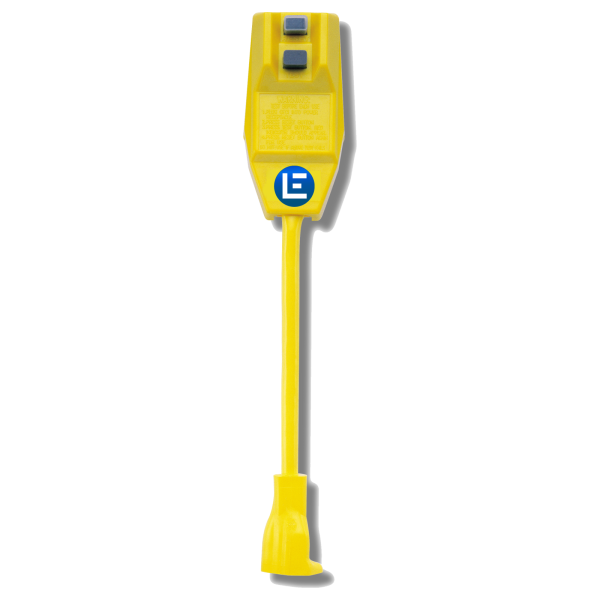
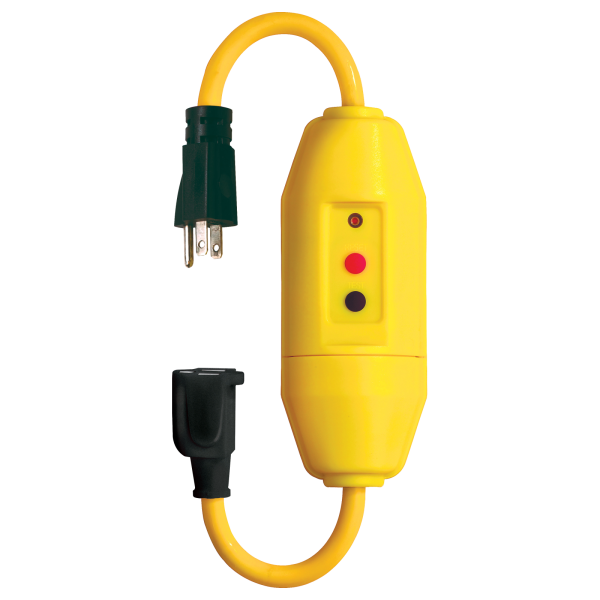
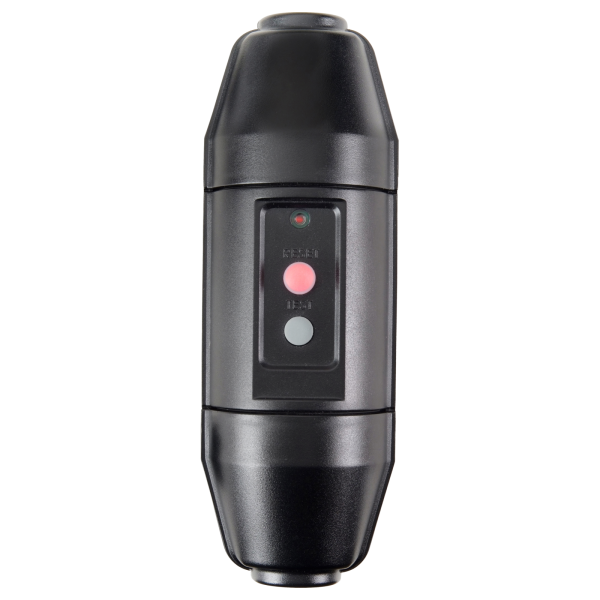
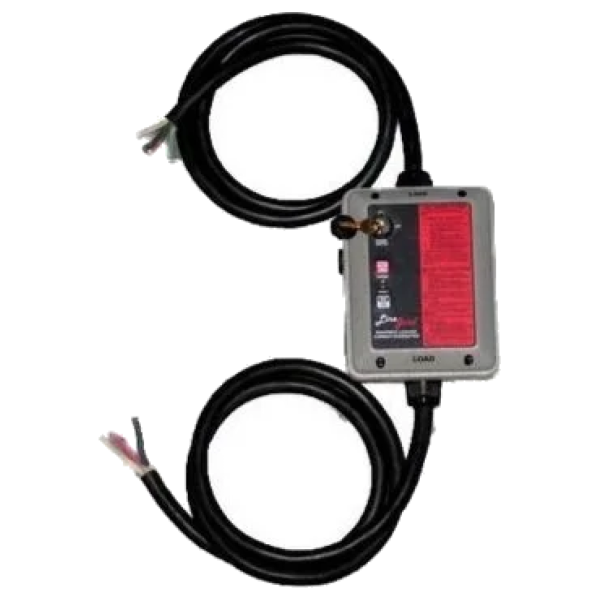
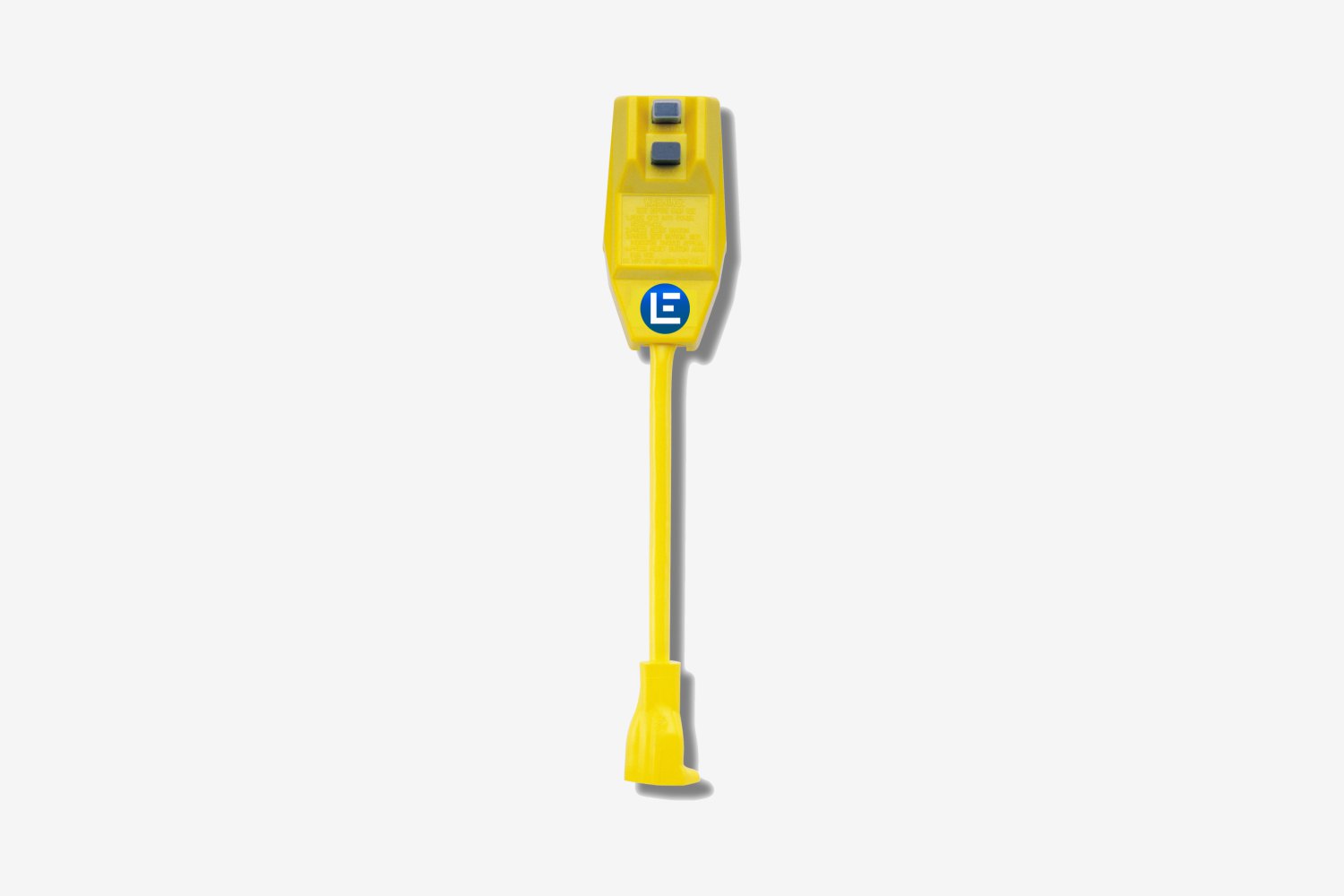
Say you’re running a tool on 100′ of cord and want to add a GFCI to the cord for protection. We’d recommend placing the GFCI as close as possible to the plug at the start of the cord, with either a GFCI plug and cord set or an inline GFCI placed at the plug end. Putting the GFCI close to the power source protects the entire length of the cord.