
LEDs Gain Ground in Hazardous Locations
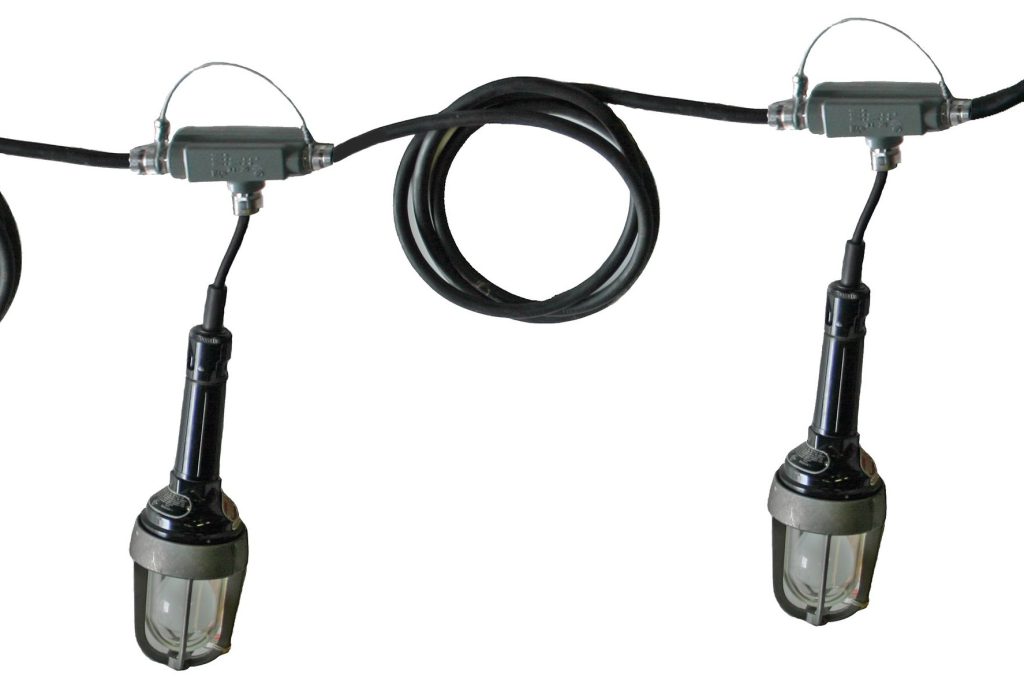
LEDs are now the standard for many commercial lighting jobs, and they are gaining ground in industrial lights for hazardous locations too. Electrical Business magazine looked at this change with Brian Astl, president of Lind Equipment, and Marty Cole, manager of harsh and hazardous industries at Hubbell Canada. Here is a short summary. Read the full article in Electrical Business.
Where LEDs fit, and where they don’t
Cole said petrochemical customers pushed Hubbell toward LEDs 10 to 15 years ago for “green” initiatives, when LED products were still expensive. Prices have come down, and LEDs are now the majority of Hubbell’s hazardous location lighting sales. They have limits: LEDs do not perform well in higher ambient temperatures, so they are generally not used in dryers or ovens, and they can have issues in extreme cold, such as Arctic oil operations.
Less heat, smaller enclosures
Less heat is another advantage. “You do not want to ignite the gas around you,” says Astl. Incandescent and metal halide lights burn hot and need a very large enclosure to get rid of the heat. An LED gives off less heat, so a smaller enclosure can put out more light. Cole added that customers in high-vibration areas, such as drilling rigs, like solid-state LEDs because they don’t break or fall apart as easily, though real performance depends on how well the fixture is designed for the application.
Why Lind builds portable lights for Division 1
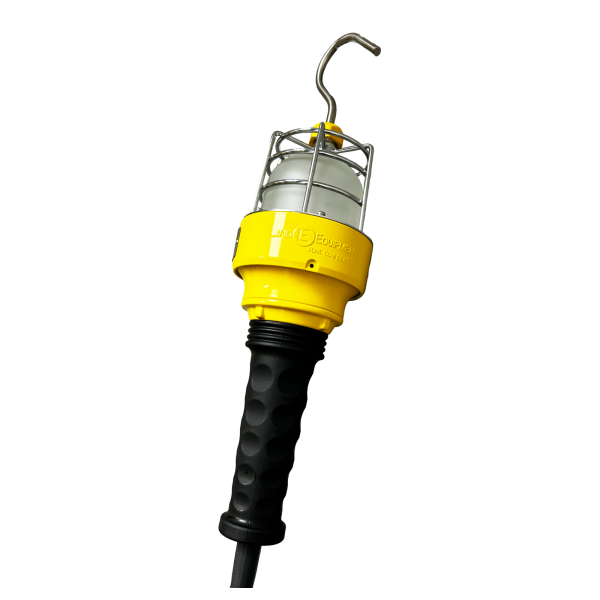
Lind designs its portable lighting systems for Class I, Division 1 locations, where combustible gases and dust may be present. There, the fixture’s housing must be able to contain an explosion so it does not ignite the surrounding atmosphere. The exception is an intrinsically safe low-voltage product, such as a battery-powered LED flashlight.
Lind stays away from portable lights for Division 2, Astl explained, because a crew could easily carry a portable light from a Division 2 area into a Division 1 area without reading the label. Some manufacturers put a Division 2 fixture meant for permanent installation on a portable base. That is a problem: a permanent fixture is built differently from a portable light in terms of durability, and different tests apply for CSA approval. His advice to electricians: check the file number, because there is fraud out there that endangers people.
Cole added two warnings: look out for lower-quality commercial products sold for hazardous locations, and never put LED replacement lamps in a hazardous location fixture. They contain uncontrolled ignition sources, void the fixture’s certification and can put the facility at risk.
Standards are catching up
According to Cole, CSA standards for hazardous locations used to say nothing about portable lighting. The recent update of CSA C22.2 No. 137 adds requirements for these products, similar to UL’s, but neither standard addresses Class I, Division 2. Portable lighting for Zone 0 areas, such as tank inspections, is in demand but difficult to supply at the moment. Because they run cooler, LEDs are much easier to certify than traditional fixtures, especially for Zone 2, Class I, Division 2 locations.
New ways to design the system
Lower power draw changes the layout. Cole pointed to smaller cable sizes, longer cable runs, smaller panelboards and more lights per circuit. LEDs still cost a little more than HID, but the design more than makes up for it: smaller cables can cut project costs significantly, and longer runs make it easier to keep panelboards or controls outside the hazardous area. Companies that still want controls inside the hazardous area, for easier use, have ways to do that too.
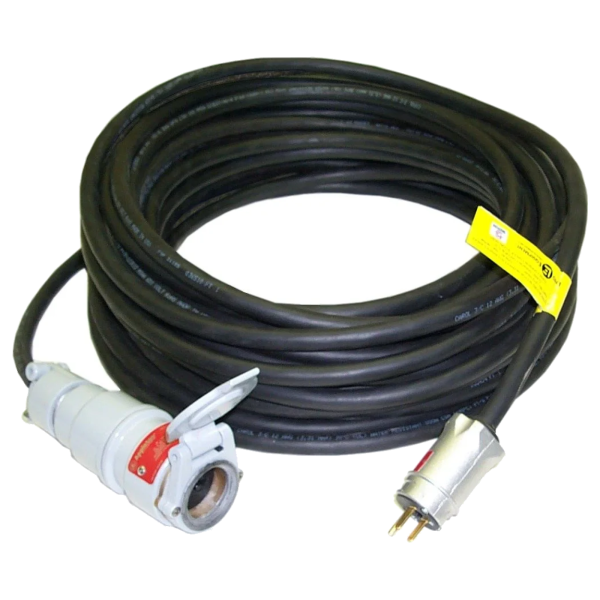
Astl made the same point for portable work: you usually run a long explosion-proof extension cord and plug it in outside the hazardous area, and an LED’s lower amperage draw and wider voltage range make that easier, even with some voltage drop over the distance. Generators are typical only on very remote sites. And because LEDs are not tied to the old form factors, Lind can change a light’s shape and how it spreads light, so hazardous location lighting is getting brighter and easier to aim. Lind designs by listening to what customers say would work better for them.
The bottom line
LEDs bring hazardous locations the same benefits as everywhere else: low energy use, longer life, voltage versatility, durability and ease of use. And they can improve hazardous location lighting beyond earlier expectations.
Read the full article in Electrical Business