

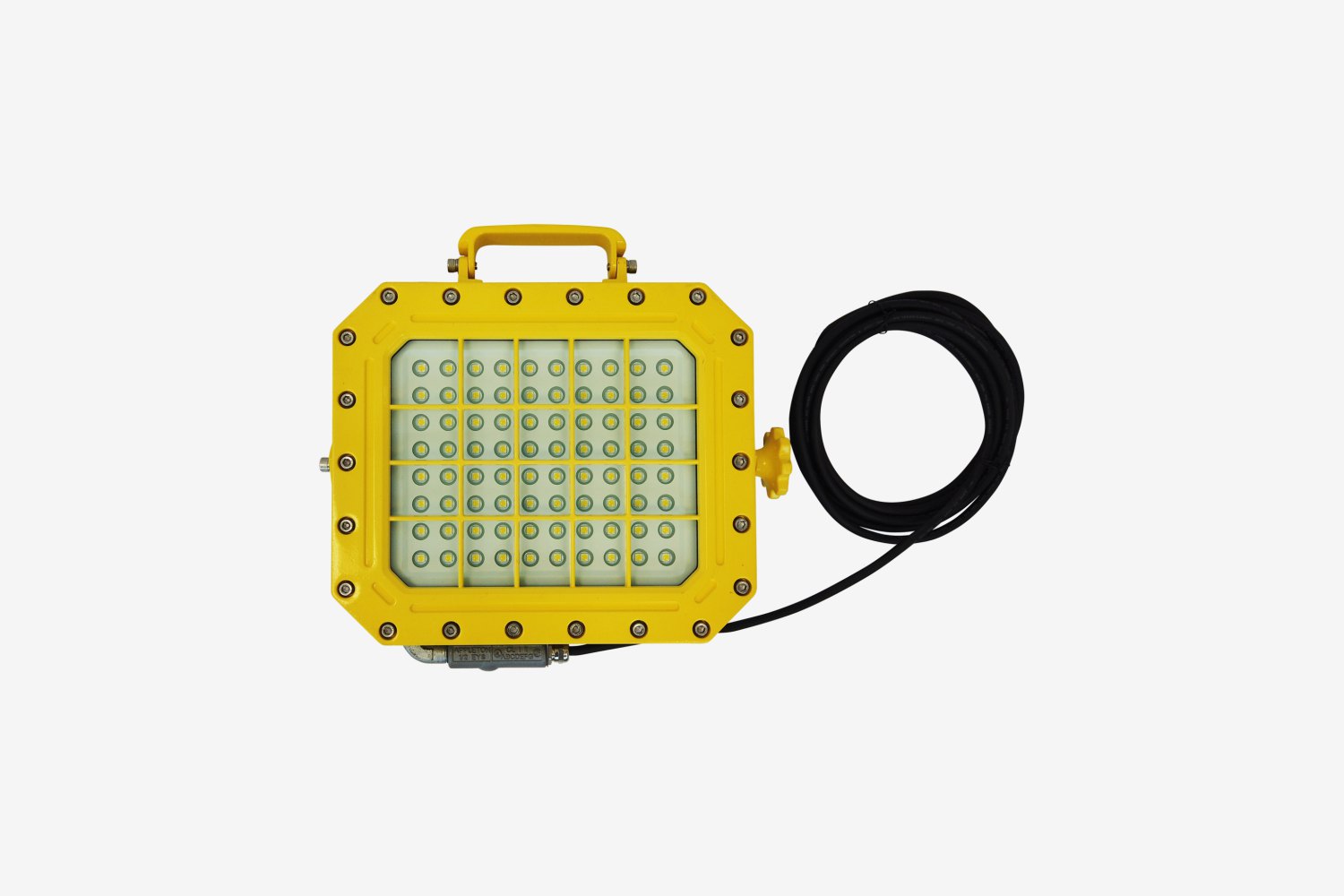
Understanding Hazardous Locations
Few workplaces are tougher than the ones where explosive materials are present. This guide explains how these workplaces are classified and how you can protect yourself and your crew from accidents.
Hazardous location fundamentals
A flammable atmosphere combined with improper use of electrical equipment can lead to an explosion, a fire or both. That is why you need to understand the regulations, codes and classifications before you buy the right equipment. Hazardous locations are classified by electrical code definitions.
The following are interpretations of these classifications and applications.
Class I locations
Class I locations are those in which flammable gases or vapours are or may be present in sufficient quantities to produce explosive or flammable mixtures.
Class I, Division 1
Class I, Division 1 locations are where hazardous atmospheres may be present during normal operations. It may be present continuously, intermittently, periodically or during normal repair or maintenance operations, or those areas where a breakdown in processing equipment releases hazardous vapours with the simultaneous failure of electrical equipment.
Class I, Division 2
Class I, Division 2 locations are those in which volatile flammable liquids or gases are handled, processed or used. Normally they will be confined within closed containers or in closed systems from which they can escape only in the case of rupture or deterioration of the containers or systems.
Class II locations
Class II locations are those that are hazardous because of the presence of combustible dust.
Class II, Division 1
Class II, Division 1 locations include areas where combustible dust may be in suspension in the air under normal conditions in sufficient quantities to produce explosive or ignitable mixtures (dust may be emitted into the air continuously, intermittently or periodically), or where failure or malfunction of equipment might cause a hazardous location to exist and provide an ignition source with the simultaneous failure of electrical equipment. Included also are locations in which combustible dust of an electrically conductive nature may be present.
Class II, Division 2
Class II, Division 2 locations are those in which combustible dust will not normally be in suspension nor will normal operations put dust in suspension, but where accumulation of dust may interfere with heat dissipation from electrical equipment or where accumulations near electrical equipment may be ignited.
Chemical groups
Besides the class and division, hazardous locations are also classified by the type of flammable material present. These groups are shown as Group “X”, where “X” is a letter from A to G.
Evaluating equipment for hazardous environments
To make sure your lighting equipment meets the requirements you have determined, check that the product is listed by an approved testing laboratory, such as UL or CSA. The listing outlines where the lighting unit, cable and other equipment has been tested and approved for use. All tested and listed equipment is marked for the hazardous locations where it can be used.