
Jet fuel is highly flammable. When fuel flows into an aircraft, the transfer creates a significant amount of static electricity. To reduce the risk of static discharge, OSHA and NFPA regulations make it mandatory to bond the aircraft during refuelling.
Bonding is the minimum. We recommend that you bond and ground. Our guide Bonding Versus Grounding explains why.
As with other static bonding and grounding work, there is more than one safe way to bond an aircraft during refuelling. This guide explains three common methods.
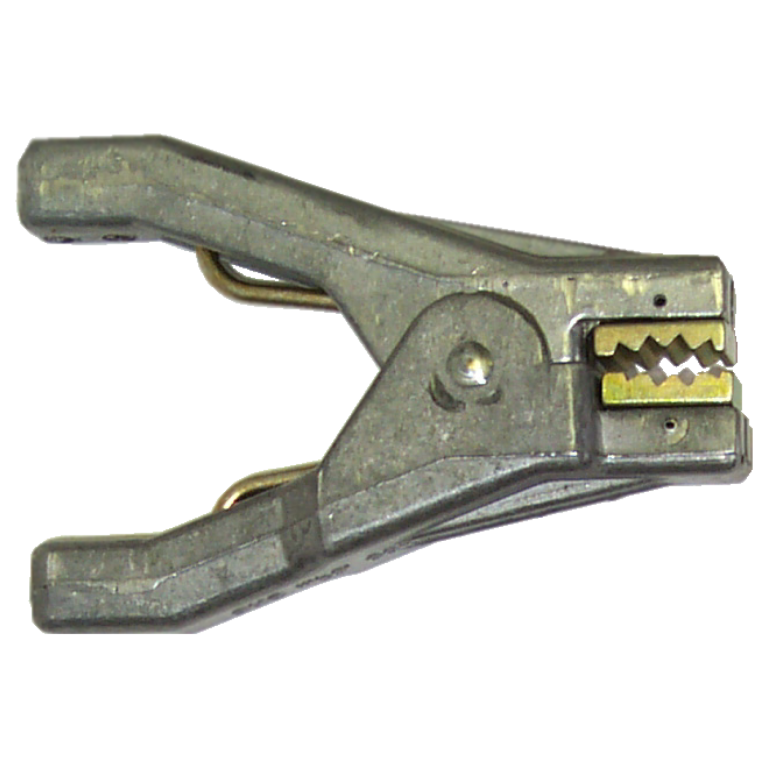
This is the most popular method. Do these steps before refuelling starts:
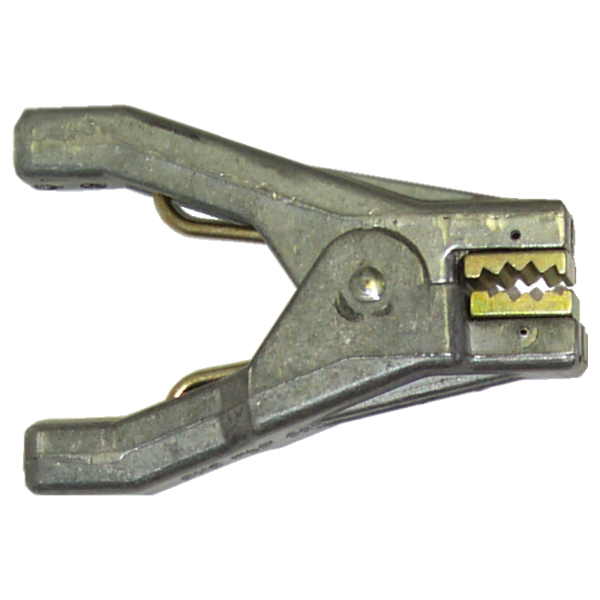
The ALS10A has a cast aluminum construction with plated steel jaws. It is the aviation industry standard for bonding and grounding aircraft and refuelling vehicles. It is ideal for landing gear, posts, ground balls, ground rods and other curved unpainted surfaces. It complies with Mil Spec M83413/7-1. The clamp opens to 13/16″ and can take up to #6 cable.
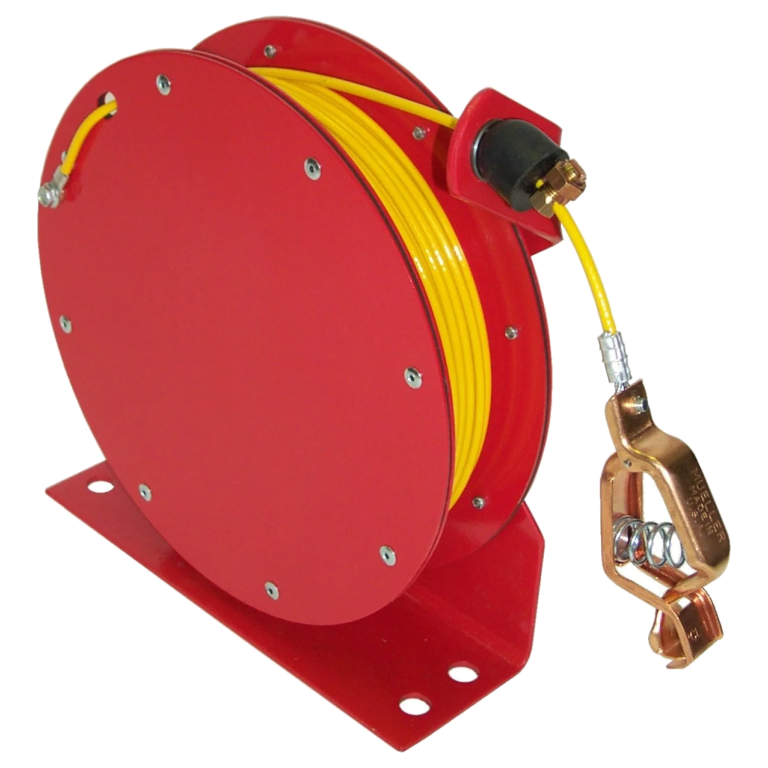
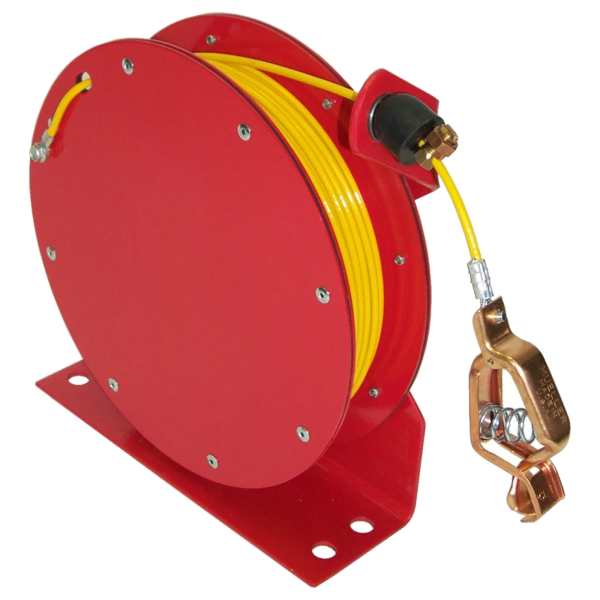
For the reel, see the ML2930 Series Auto-Rewind Reels. These reels retract the cable automatically. Walk the clamp back to the reel while the cable retracts. The reels meet MIL-PRF A-A-50696 for use in military deployments. Their standard clamp is a 100 amp solid copper alligator clip. The electrical resistance between the clamp and the mounting base is 5 ohms maximum.
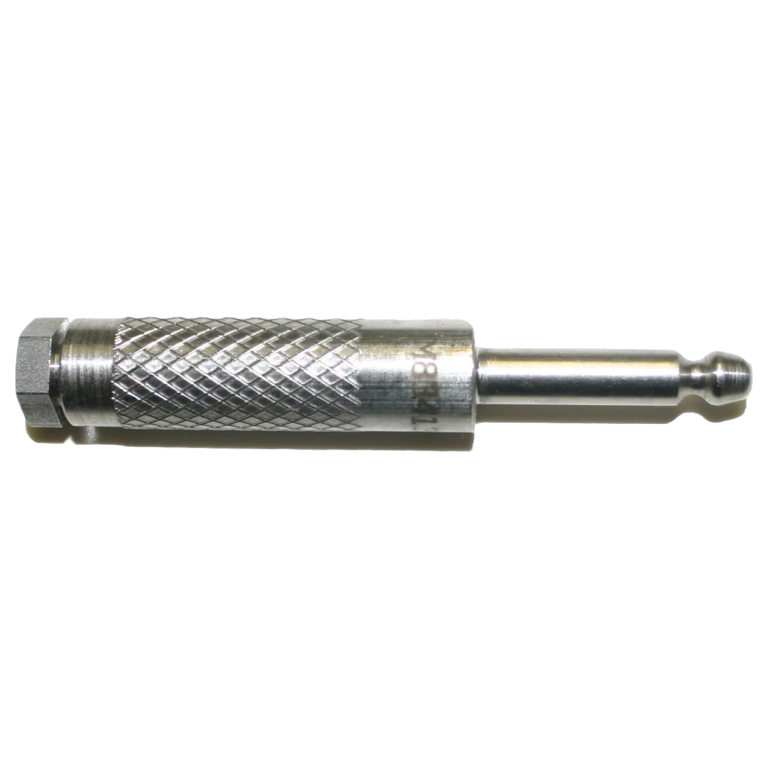
A different popular method uses aviation plugs. The plugs attach into designated receptacles on the aircraft, so you do not use clamps at all.
This method is particularly common on military aircraft. On these aircraft, operators do not want to clamp on any part of the expensive aircraft shell, for fear of damaging it.
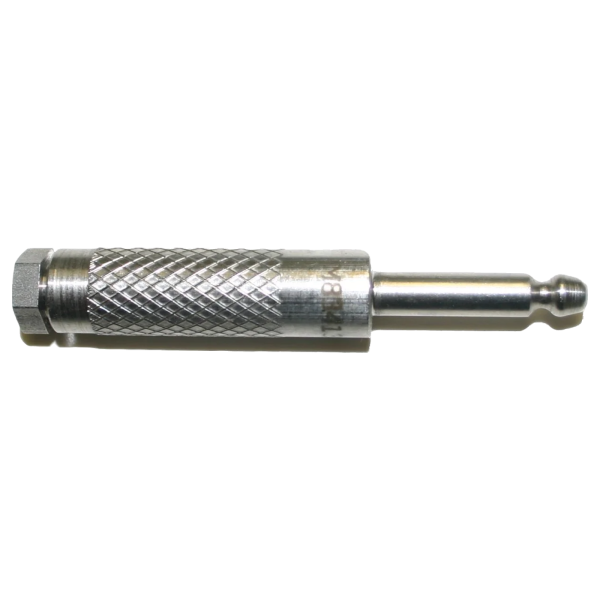
The AV65 Aviation Bayonet Plug has a stainless steel, hexagonal shape construction. It is for use with standard aircraft grounding receptacles, and it gives a secure bonding and grounding connection. It complies with Mil Spec M83413/4-1. A knurled version is also available (P/N AV65KN).
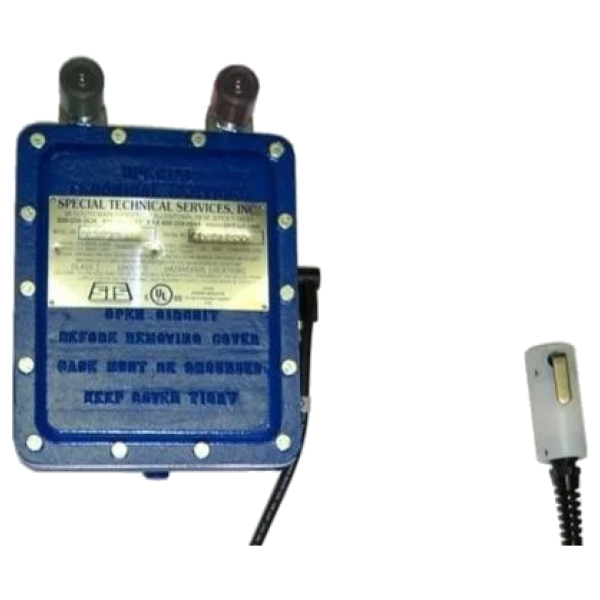
Aviation refuelling also uses static monitoring widely. A deadman system lets the operator stop the fuel transfer immediately if something goes wrong. To stop the transfer, the operator only releases the deadman switch.
Aviation static grounding is not very different from other types of static grounding. The one difference: you must be very careful not to damage the aircraft during static grounding.
Not sure which method suits your fleet or your fuelling operation? Contact us.